
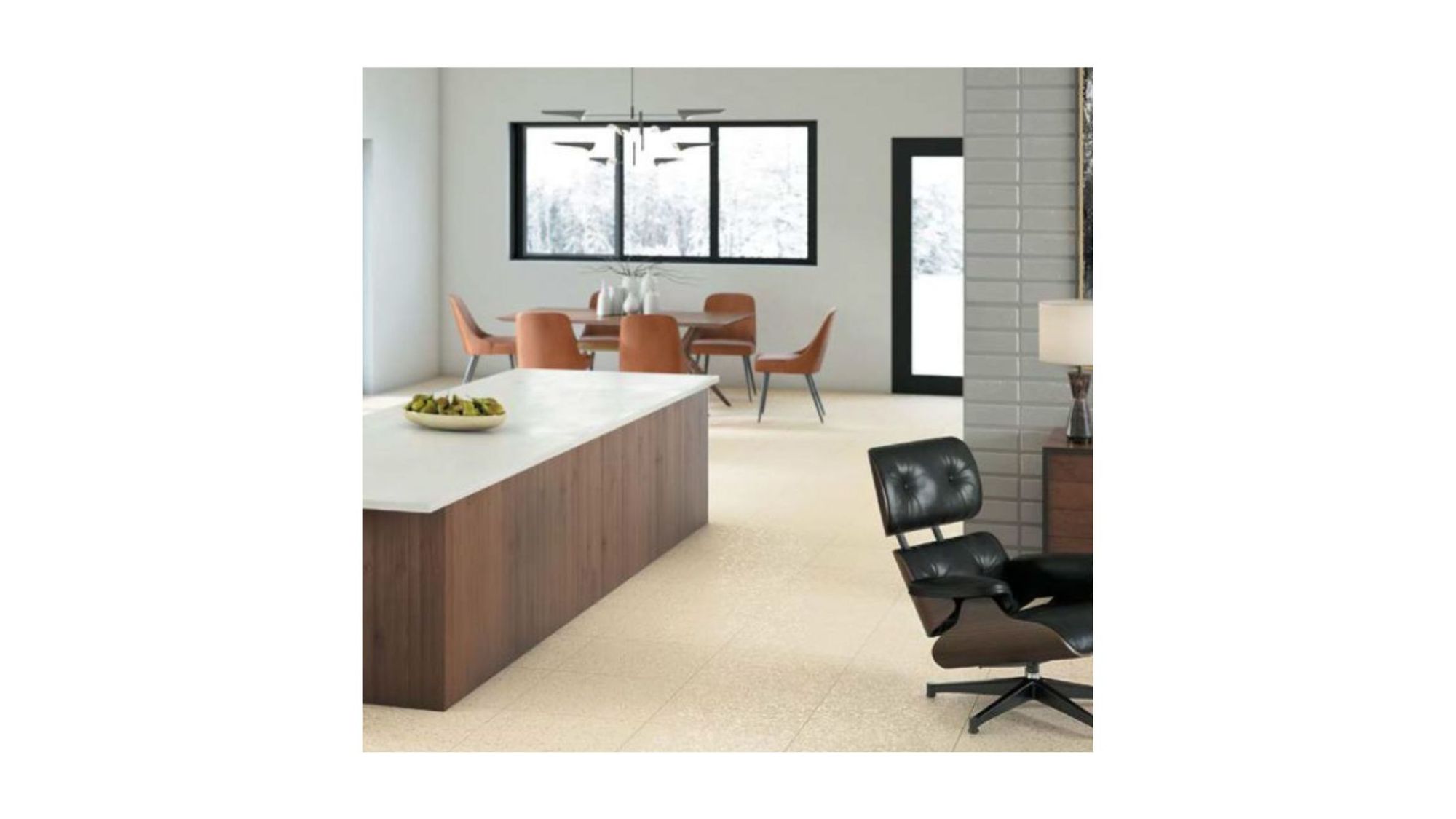
The countertop decision comes up in every kitchen renovation conversation, and for good reason. The countertop is the most-used surface in the kitchen, it directly affects how the space functions under daily conditions, and it has a longer visual life than almost any other element you will choose. Getting quartz countertops in Bay Area projects right means understanding what the material actually does under the conditions your kitchen will put it through, not just how it looks in a showroom sample.
What Are Quartz Countertops and How Are They Made?
Engineered quartz countertops are manufactured from approximately 90 percent natural quartz aggregate bound with polymer resin and pigment. The manufacturing process uses high-pressure vibro-compression to produce a non-porous slab that resists staining, does not require periodic sealing, and maintains its surface finish under normal kitchen use without the maintenance overhead of natural granite or quartzite.
Silestone, manufactured by Cosentino, is the dominant engineered quartz line in the premium Bay Area market. Their current Hybriq technology range incorporates up to 49 percent recycled content, including post-consumer glass and mirror residue, per Cosentino's published product documentation. The color range spans over 90 options, from near-white with subtle veining to deep charcoal and warm terracotta tones. This breadth makes Silestone a workable pairing for both Pedini's extensive lacquer palette and Bellmont's more varied door profile range.
How Do Quartz Countertops in Bay Area Kitchens Hold Up?
Kitchen countertops in Bay Area homes take real use. Silestone's non-porous composition resists coffee, red wine, cooking oils, and acidic ingredients without staining. The surface does not require sealing the way natural stone does. It holds up to everyday scratch contact from food preparation without showing damage under normal kitchen conditions. Where it needs care is heat: direct contact with a very hot pan risks thermal shock, which can cause discoloration or cracking. This is not unique to Silestone. It applies across the engineered quartz category, and using a trivet is standard practice with any quartz surface.
For Bay Area family kitchens where the countertop takes heavy daily use and low maintenance is a priority, Silestone performs consistently well over a long service life. In terms of visual character, the range of finishes in Silestone's current catalog, including polished, suede, and volcano textures, gives designers enough options to specify a surface that complements the cabinetry rather than competing with it.
Where Do Dekton Countertops in Bay Area Projects Have the Advantage?
Dekton countertops in Bay Area projects represent a different category of material that happens to come from the same manufacturer. Dekton is an ultra-compact sintered surface manufactured by Cosentino through a process that combines glass, porcelain, and quartz under approximately 6,000 tons of pressure and high sintering temperatures that approximate geological stone formation over a compressed timeline. The result is a surface with virtually zero porosity, scratch resistance that exceeds most natural stones, and thermal tolerance significantly higher than engineered quartz.
The practical applications where Dekton outperforms Silestone are specific. For Bay Area homes with indoor-outdoor kitchen configurations, Dekton is one of the few countertop materials with genuine UV stability. It will not fade or degrade with prolonged sun exposure, which makes it the appropriate specification when the countertop runs continuously from the interior kitchen through to a patio or outdoor cooking area.
For high-use kitchen islands where the countertop takes sustained daily prep work, Dekton's scratch resistance means it maintains its surface appearance longer than quartz under comparable use. And for full-height backsplash applications in Pedini kitchens where a seamless surface from countertop to upper cabinet eliminates grout lines, Dekton's large-format slab options, reaching up to 144 by 63 inches, provide the continuous span that this application requires.
How Should You Evaluate Both Options?
The most effective way to evaluate Silestone against Dekton is to see physical samples alongside your cabinetry finish choice and your flooring direction at the same time. Color decisions that look correct in isolation frequently shift when the surrounding materials change. Our San Carlos showroom carries Silestone and Dekton samples alongside our full Pedini and Bellmont cabinetry displays and Monarch Plank flooring samples, which is the only way to confirm that a material direction works as a system before any of it is ordered.
Countertop thickness, typically 2 cm or 3 cm for both Silestone and Dekton, affects how the edge reads against the cabinet face and how the overhang interacts with base cabinet door clearance. These dimensions need to be confirmed during the design phase, coordinated against the cabinetry drawings, not resolved at the templating appointment after the cabinets are already installed.